modern history of cymatics (circa 1700 AD - present)
“Everything owes it existence solely and completely to sound.”
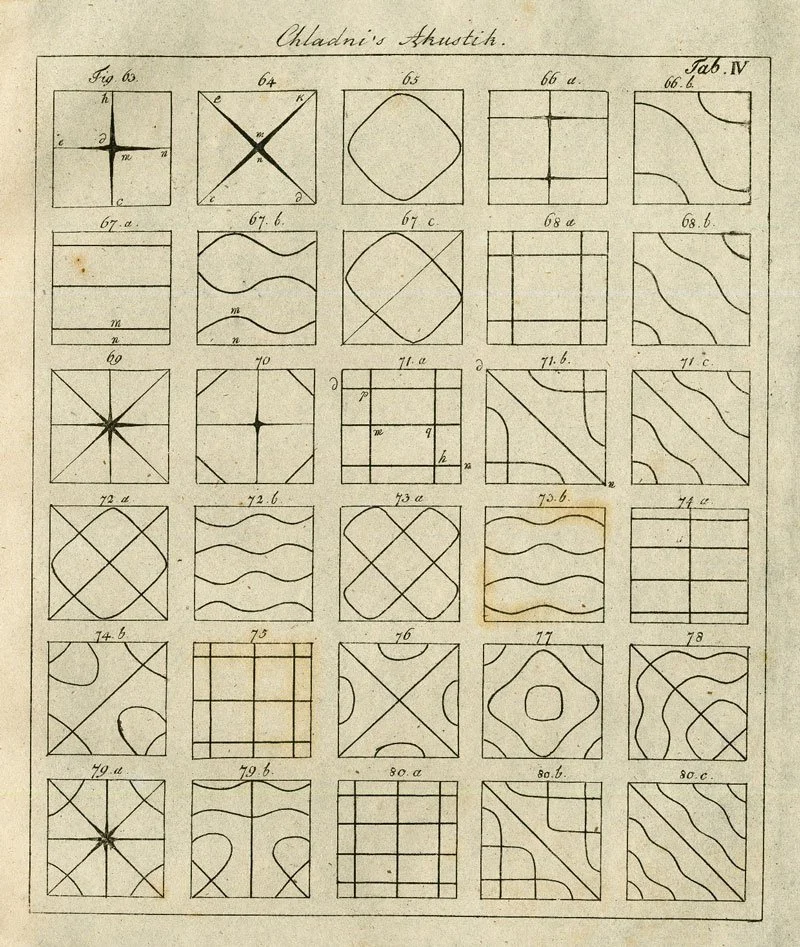
chladni figures
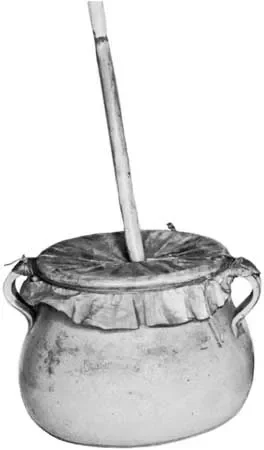
*Friction-bar instruments led to
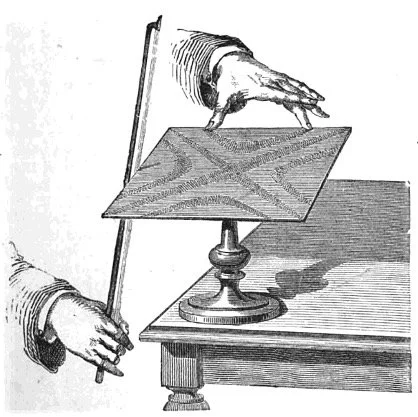
the invention of chladni plates.
CHLADNI PLATES: by sprinkling sand on vibrating plates (later known as “Chaldni plates”) and bowing them, one can observe the nodal patterns now called “Chladni figures”
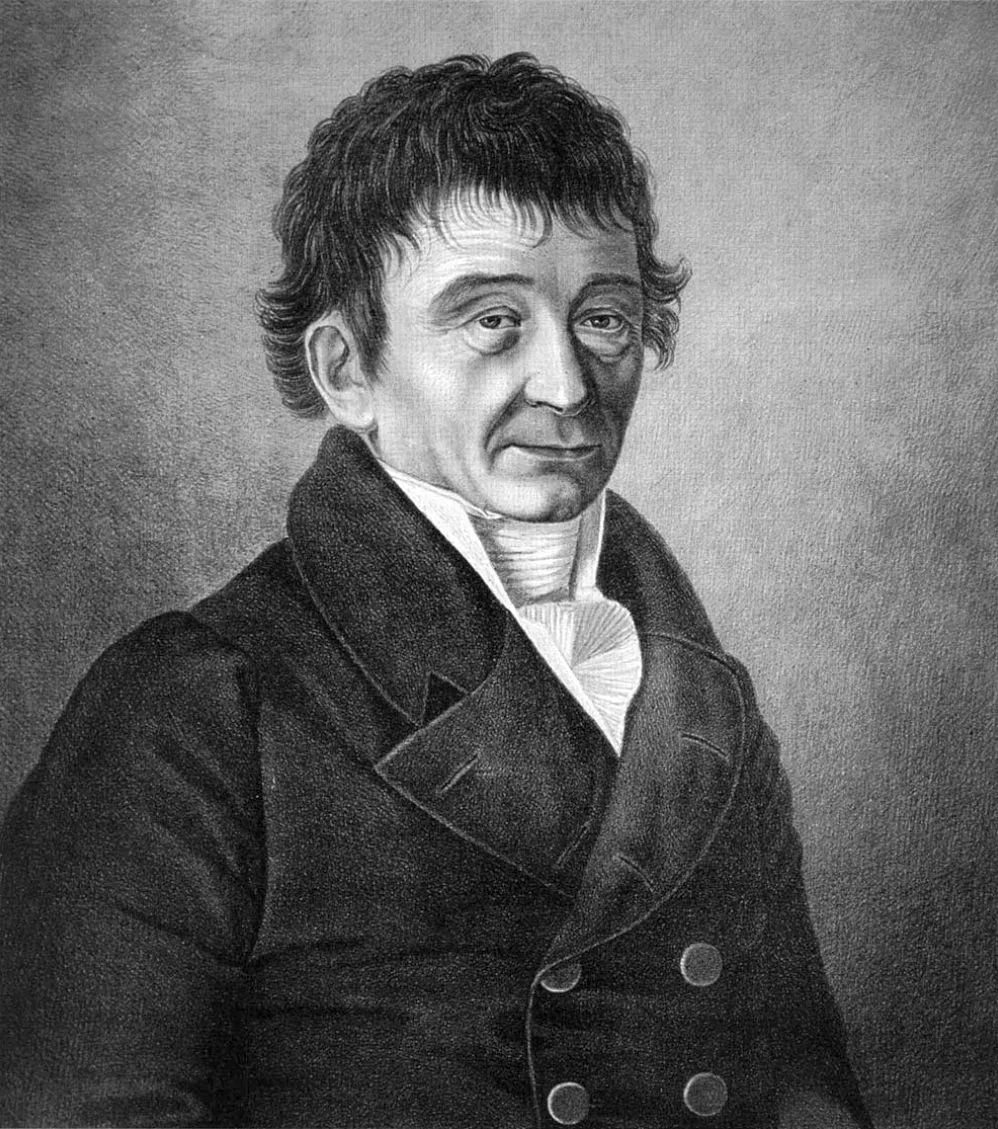
Chladni - German physicist, acoustician and musician (on his introduction of the techniques of observing and measuring the speed of sound - the transmission of vibrations of friction using standing waves: on vibrating plates (later known as Chaldni plates) - by sprinkling sand on the plates and bowing them to observe the nodal patterns “Chladni figures”; in metals using an analysis of the nodal pattern in standing-wave vibrations in long rods; and of different gases)
https://www.britannica.com/biography/Ernst-Florens-Friedrich-Chladni
Ernst Florens Friedrich Chladni (1756 CE - 1827 CE)
Maxwell - Scottish physicist and mathematician (on his key role in the creation of statistical mechanics and his classical theory of electromagnetic radiation - the first theory to describe electricity, magnetism and light as different manifestations of the same phenomenon - and his achievement of the second great unification in physics with his equations for electromagnetism, as the first one had been realised by Isaac Newton)
James Clerk Maxwell (1831 – 1879)
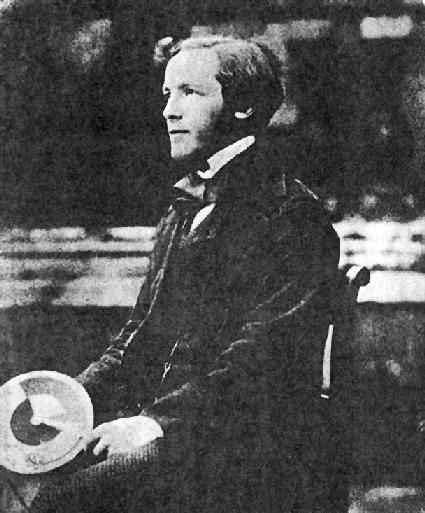
an English polymath who was active as a physicist ("natural philosopher"), astronomer, geologist, meteorologist and architect.
FRICTION IDIOPHONE: also known as the “nail violin” of Johann Wilde (c. 1740), with its tuned nails bowed by a violin bow, this is an early friction-bar instrument
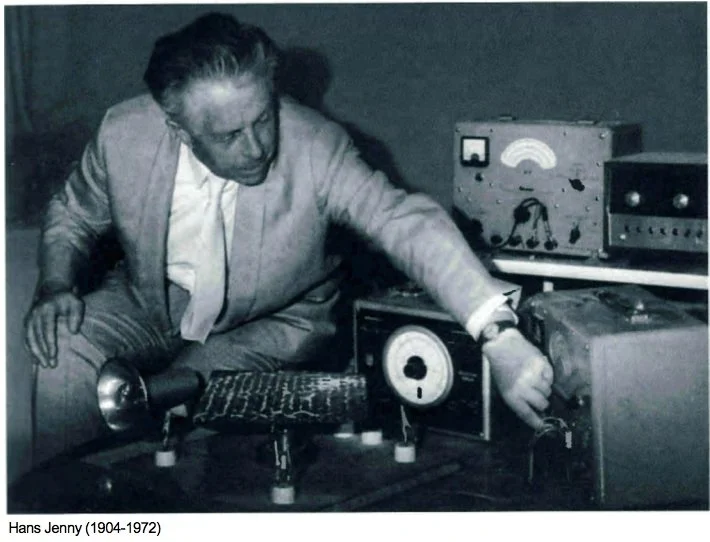
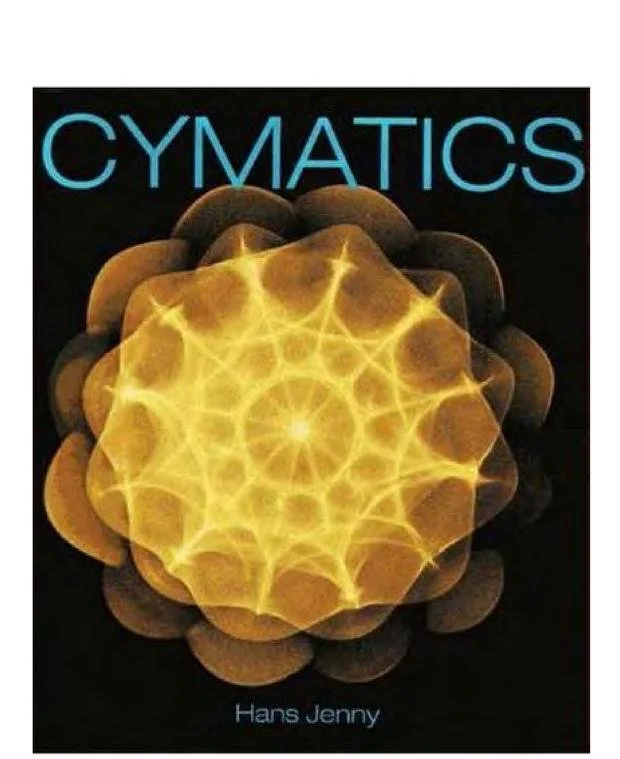
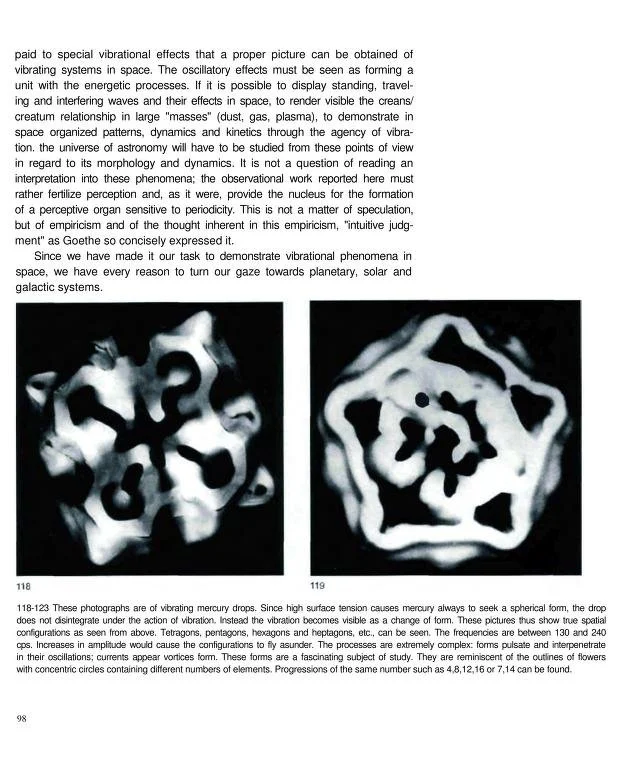
Jenny - Swiss physician and natural scientist, originator of the word “cymatic” (on taking the experiments of Galileo, Hooke and Whitty further, he devised devices and machines that generated frequencies on various types of mediums - one invention he called the “tonoscope” made set plates and membranes vibrate by combining crystal oscillators with piezoelectricity, demonstrating the triadic quality of vibration
Cymatics: A Study of Wave Phenomena and Vibration)
https://archive.org/details/hans-jenny-cymatics/mode/2up
Hans Jenny (1904 CE -1972 CE)
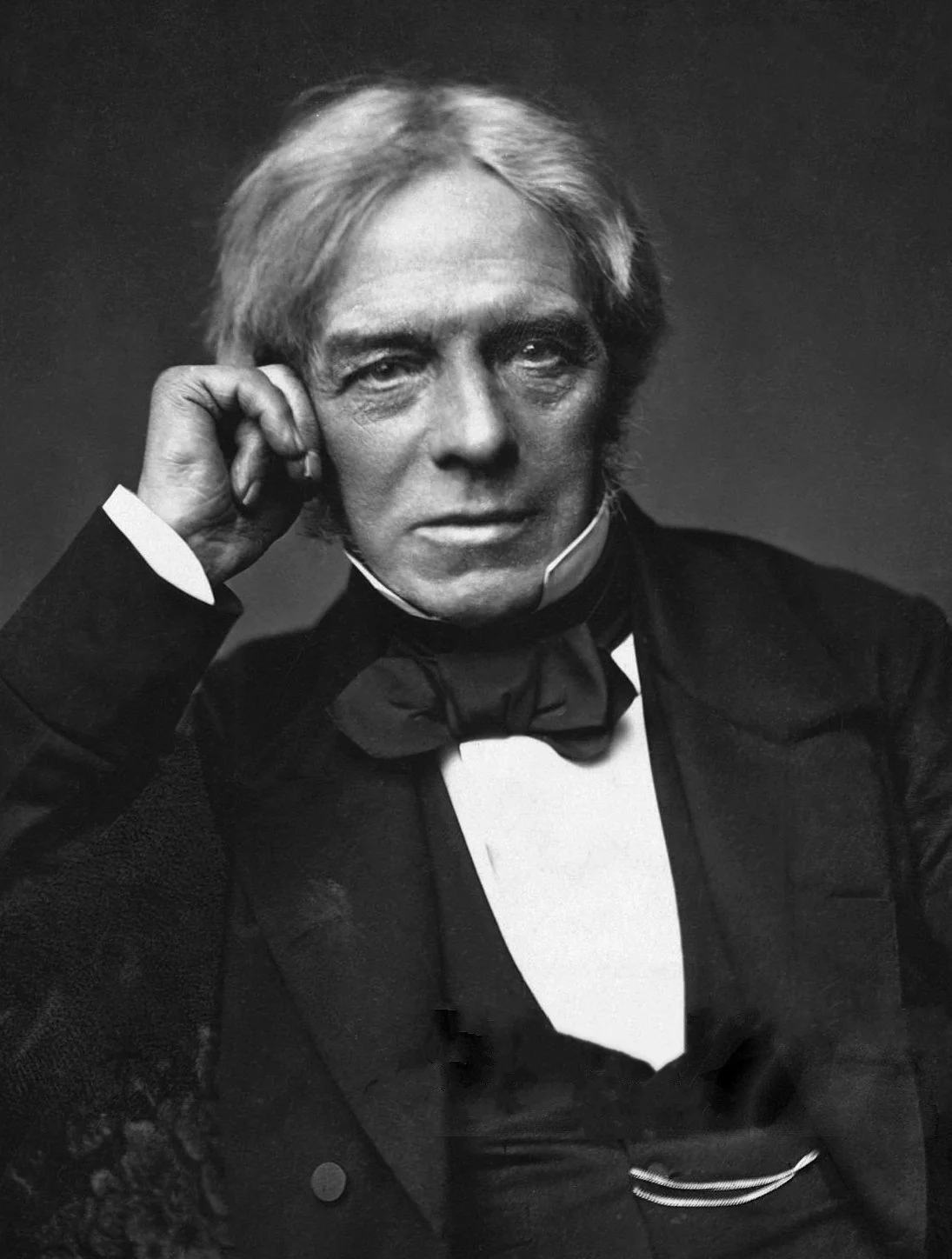
Michael Faraday (1791 CE - 1867 CE)
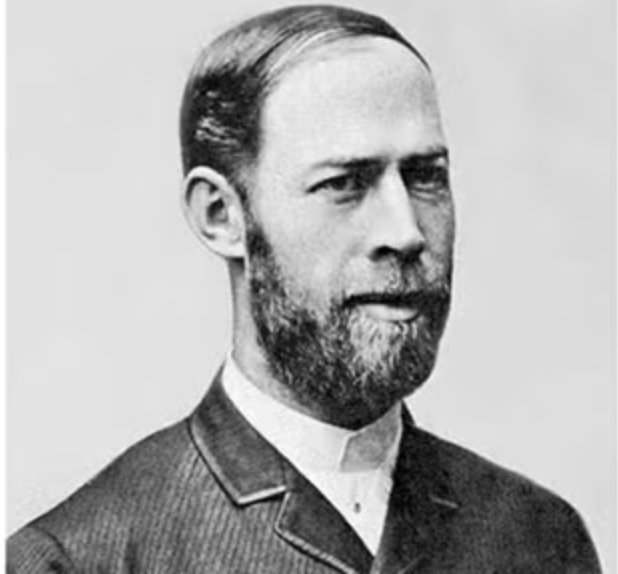
Hertz - German physicist and experimentalist (on his demonstration that electromagnetic waves predicted by Maxwell actually exist, honoured by his peers by having his name attached to the unit of frequency - a cycle per second being one (1) hertz)
https://www.aaas.org/taxonomy/term/10/heinrich-hertz-and-electromagnetic-radiation
Heinrich Rudolph Hertz (1857-1894 AD)
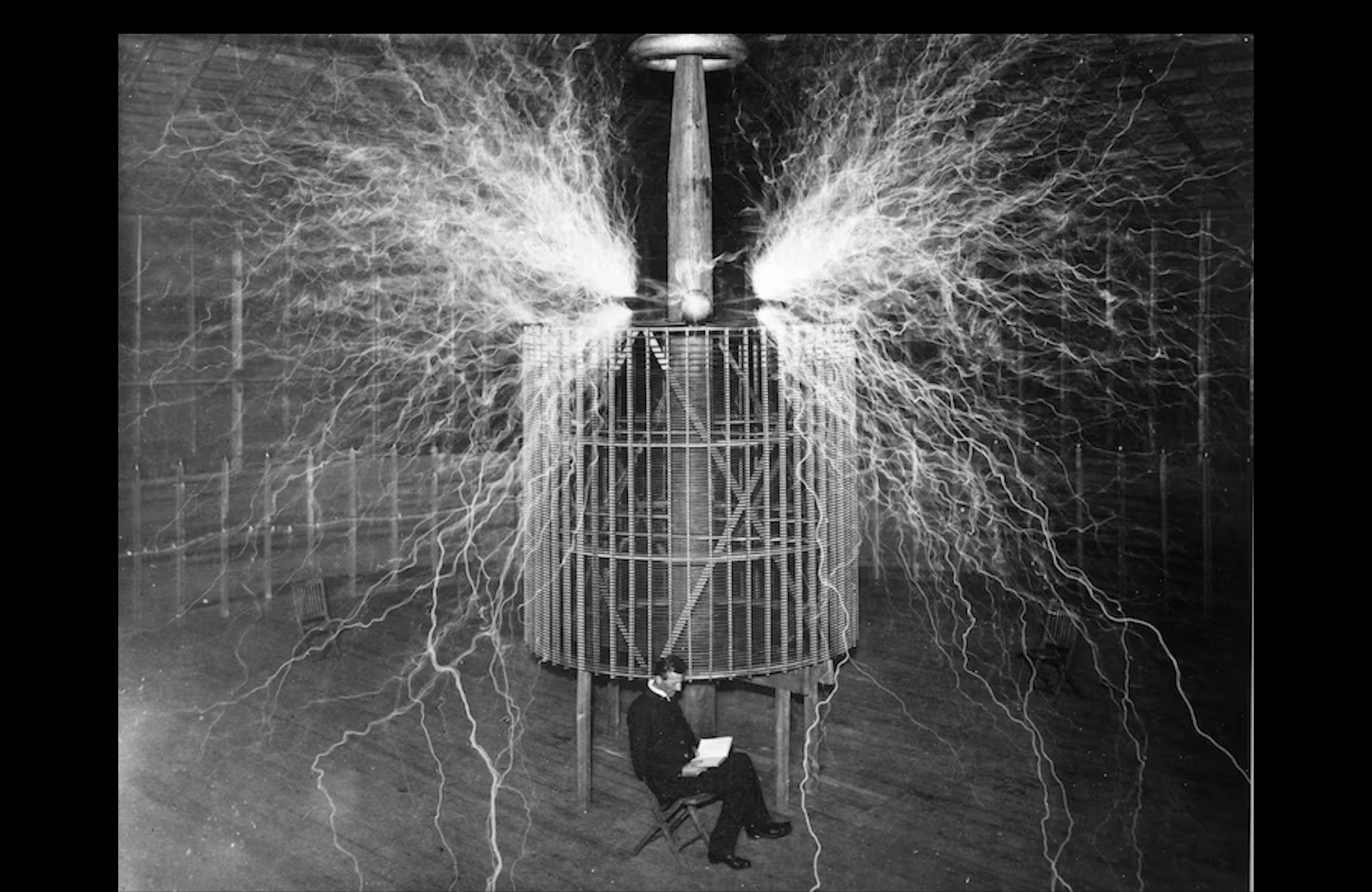
Nikola Tesla sitting in his Colorado Springs laboratory with his 'Magnifying transmitter' (Photo: Getty Images)
“Everything in the universe can be explained by energy, frequency and vibration.”