
cymatics: The study of sounds
The science of sonic vibrations and their effects upon matter
HISTORY of ANCIENT (BC) PIONEERS of SOUND
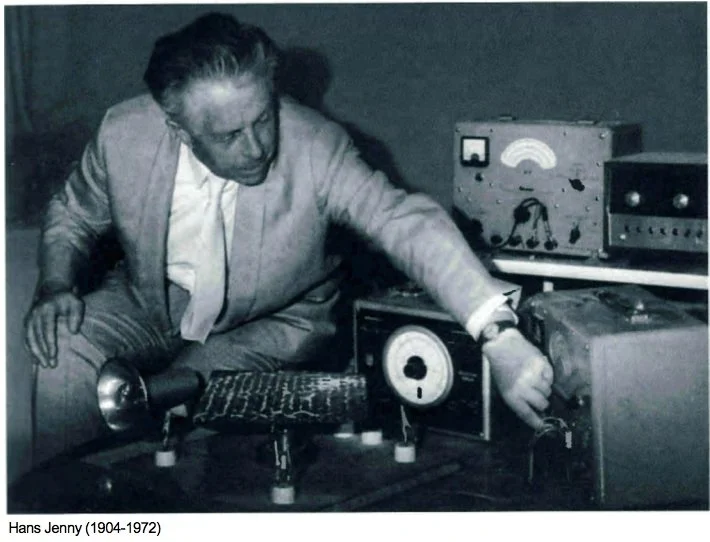
cymatics, (from Ancient Greek: κῦμα, romanized: kŷma, lit. 'wave') is a term coined by Hans Jenny to describe a subset of modal vibrational (acoustic) phenomena (and effects) of sound waves.
ACOUSTICS: (derived from the Greek akoustos, meaning “heard”) the science concerned with the production, control, transmission, reception, and effects of sound
acoustics, the mathematics of instruments & the speed of sound
SPEED OF SOUND: transmission of vibrations by friction using standing waves
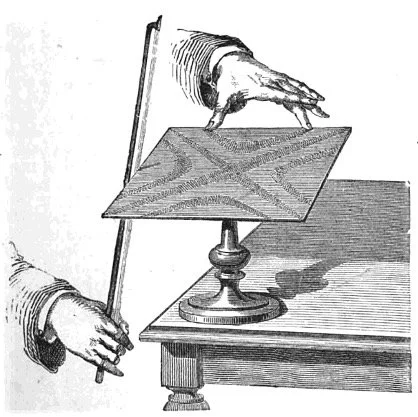
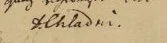
Chladni Plates & friction-bar instruments resulted from the experiments of Chlandi
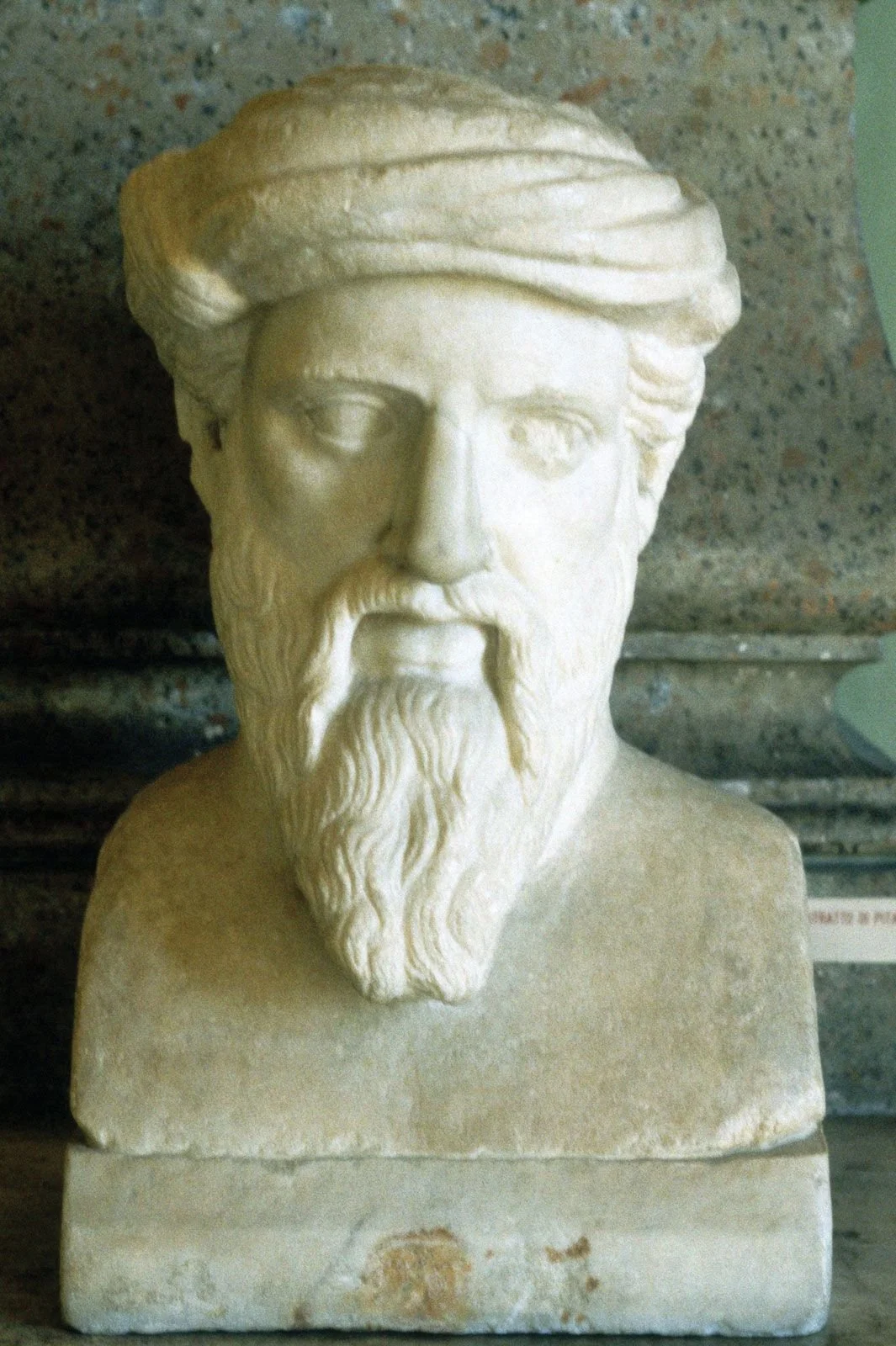
Pythagoras - Greek mathematician, philosopher; generally considered to be the “father of the science of acoustics” (on his establishment of a fundamental connection between numbers, geometry and sound, even of the celestial bodies and the elements, through his experiments on the properties of vibrating strings that produce pleasing musical intervals, which led to a system named after him, “Pythagorean tuning”, stating that the frequency ratios of all intervals are determined by choosing a sequence of fifths which are "pure" or perfect, with a distinct ratio of 3:2, meaning the upper note makes three vibrations in the same amount of time that the lower note makes two - split a string in half, and it will be raised one octave in pitch; the system generates a scale by stacking perfect fifths, a process that is then repeated with octaves (a 2:1 ratio) to keep the pitches within a desired range)
Pythagoras (born c. 570 BCE - died c. 500–490 BCE)
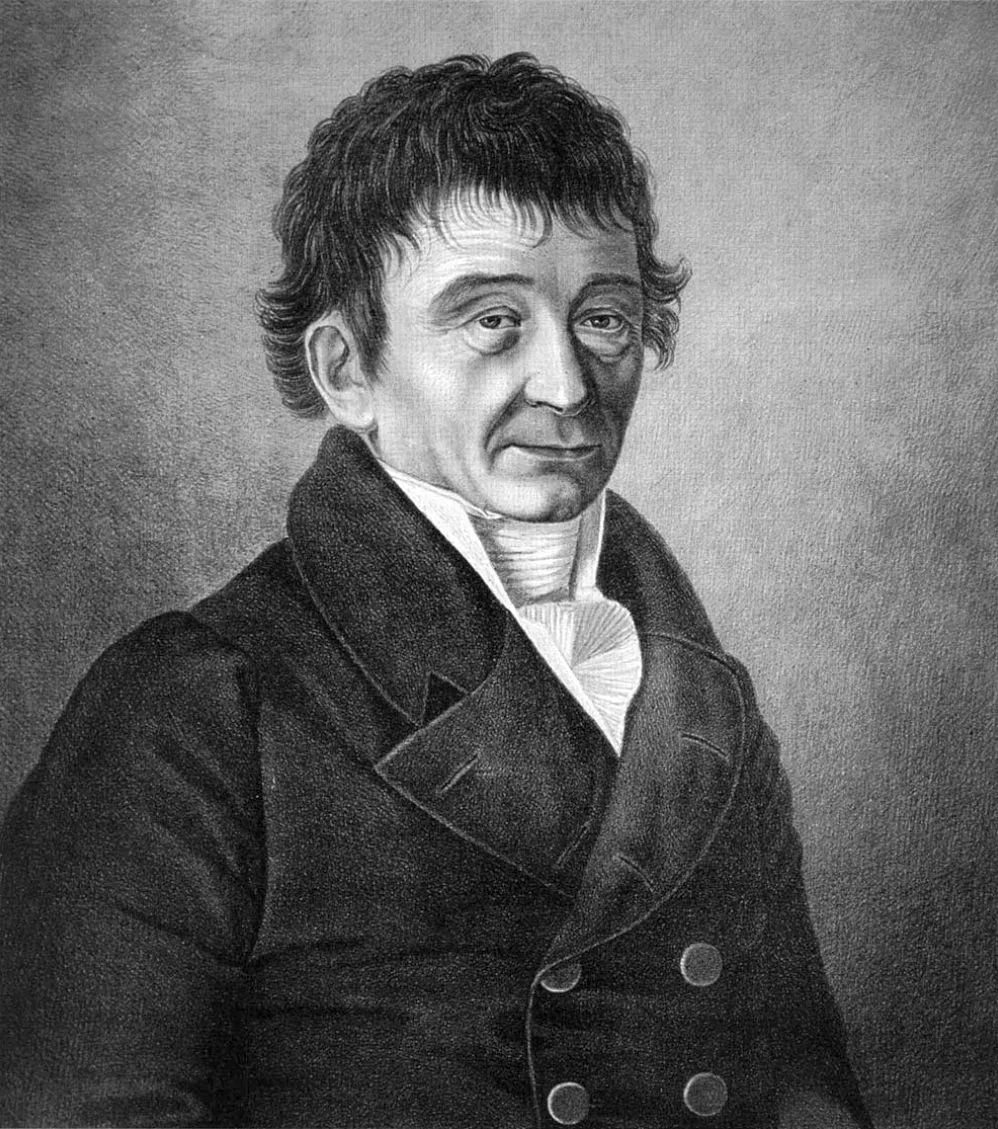
Chladni - German physicist, acoustician and musician (on his introduction of the techniques of observing and measuring the speed of sound - the transmission of vibrations of friction using standing waves: on vibrating plates (later known as Chaldni plates) - by sprinkling sand on the plates and bowing them to observe the nodal patterns “Chladni figures”; in metals using an analysis of the nodal pattern in standing-wave vibrations in long rods; and of different gases)
https://www.britannica.com/biography/Ernst-Florens-Friedrich-Chladni
Ernst Florens Friedrich Chladni (1756 CE - 1827 CE)
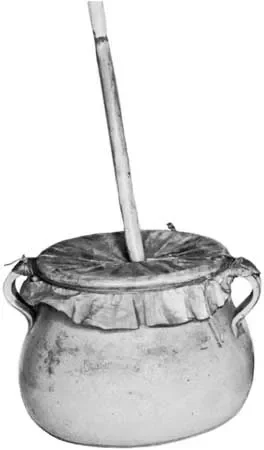
the friction idiophone: nail violin of Johann Wilde (c. 1740), with its tuned nails bowed by a violin bow
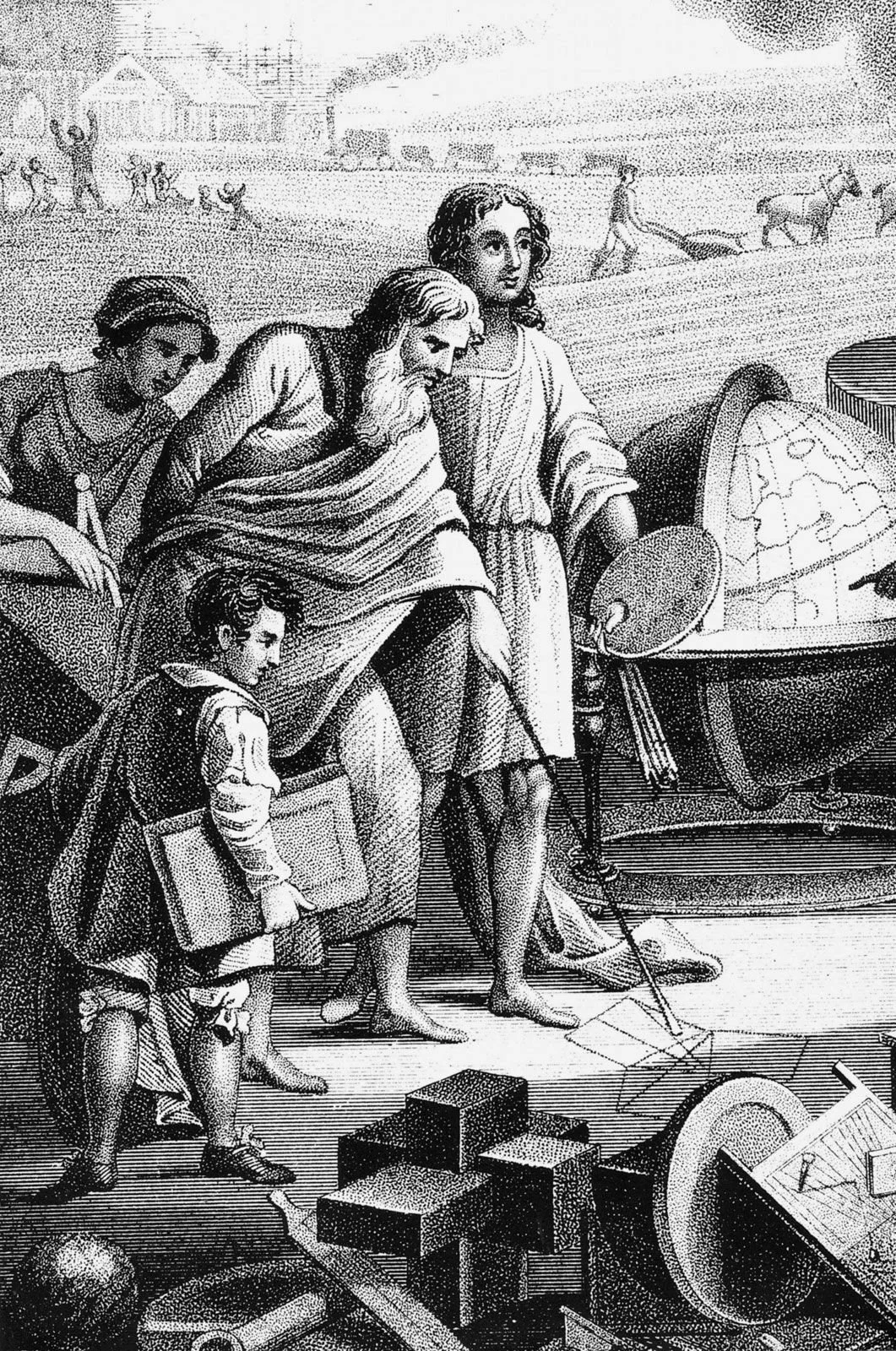
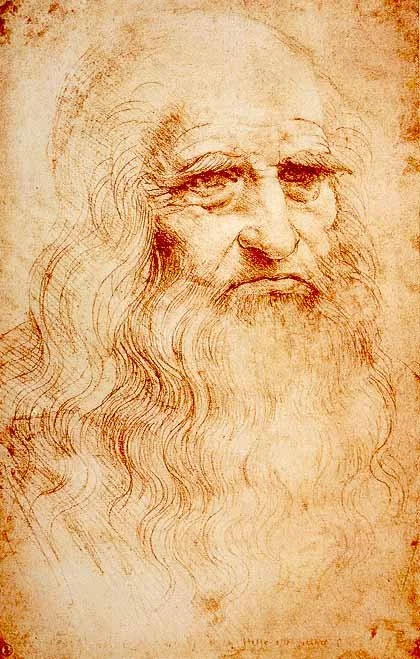
Leonardo da Vinci (1452 CE – 1519 CE)
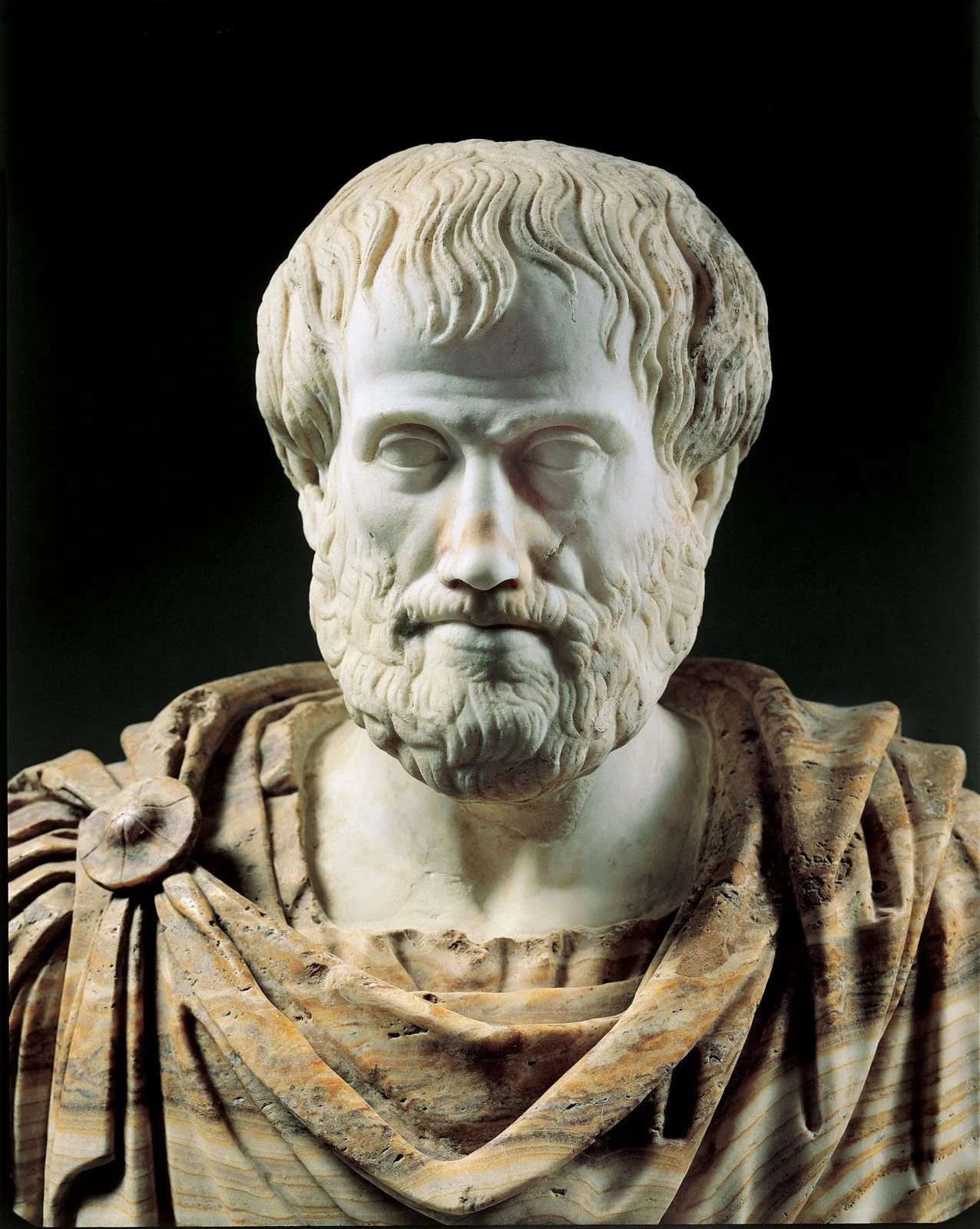
Aristotle - Greek mathematician, philosopher, student of Plato (on his suggestion that a soundwave propagates in air through motion of the air)
Aristotle (384 BCE - 322 BCE)
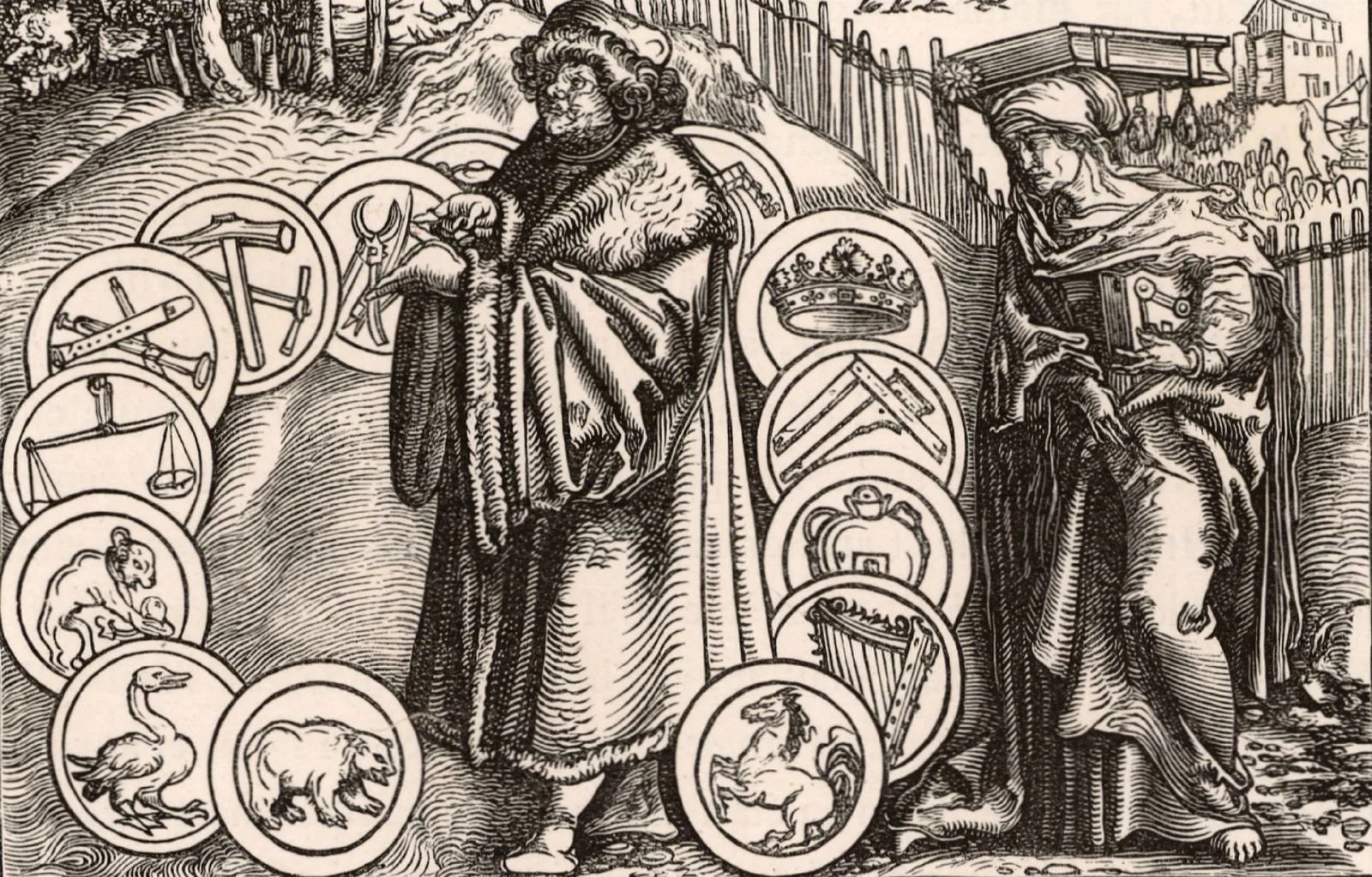
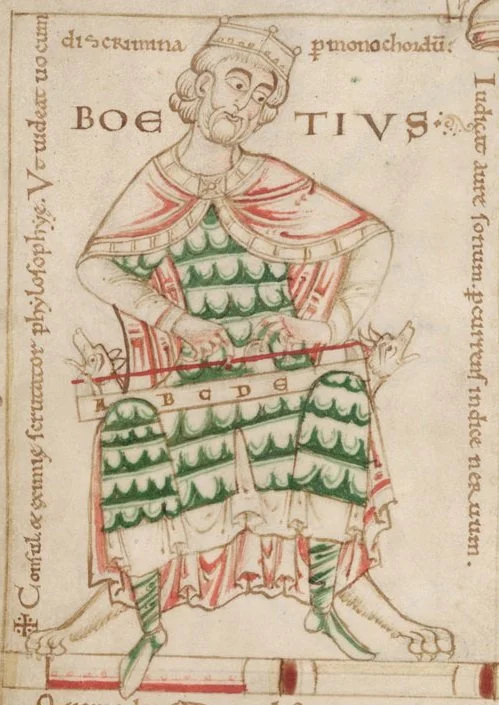
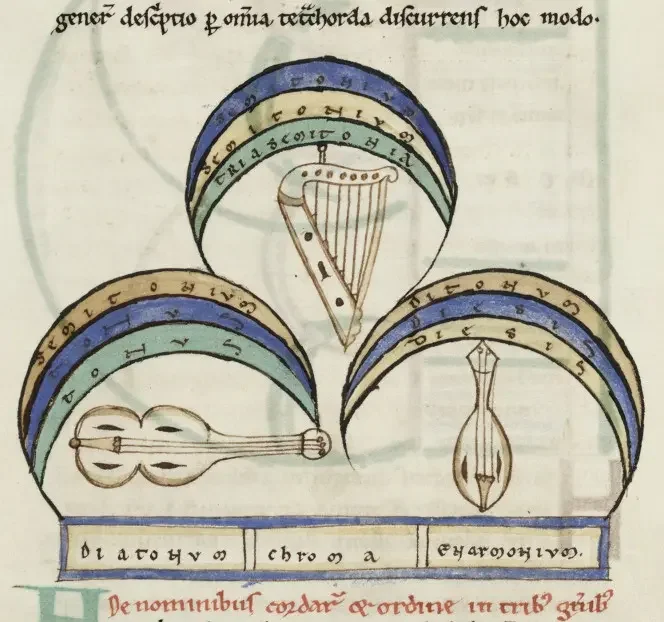
Boethius - Roman philosopher, scholar, statesman (on his documentation of several ideas relating science to music, particularly preserving the works of Pythagoras, Plato and Aristotle with a sense of neutrality and including a suggestion that the human perception of pitch is related to the physical property of frequency, the classifications of music into three parts - musica mundana, musica humana, and musica instrumentalis: the inaudible music of the spheres, the spiritual and somatic music of the body, and the audible instrumental music of voice and instrument; and on his introduction of the ancient monochord to medieval theorists, an instrument which had been used in Greece by the 6th century BC as a scientific instrument for measuring musical intervals)
Right:
Illustrations by Boethius (from his work - “De Institutione Musica” circa 1490 CE)
https://natlib.govt.nz/researchers/guides/boethius-and-guido-of-arezzo
https://makingrenmanuscripts.exhibits.library.upenn.edu/items/show/69
Anicius Manlius Severinus Boethius (circa 475 CE - circa 524 CE)
the monochord: precursor to the clavichord, this musical instrument consisted of a single string stretched over a calibratead sound box and had a movable bridge. The string was held in place over the properly positioned bridge with one hand and plucked with a plectrum held in the other.
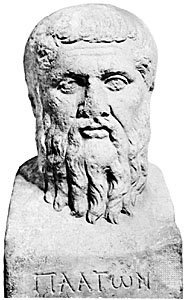
Plato - Greek philosopher; founder of the Academy (the first university), student of Socrates, influenced by Pythagoras (on his viewpoint that music may arouse emotions and influence human character and that music is a science of mathematical forms, introducing the Pythagorean tradition of “musica mundana” a.k.a. “the music/harmony of the spheres”)
Plato (circa 428 BCE - circa 348 BCE)
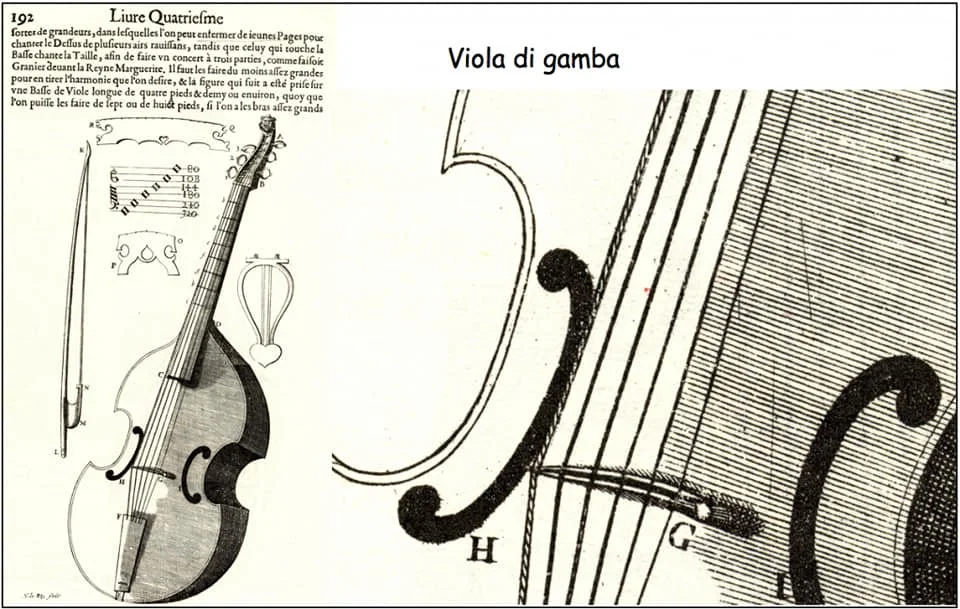
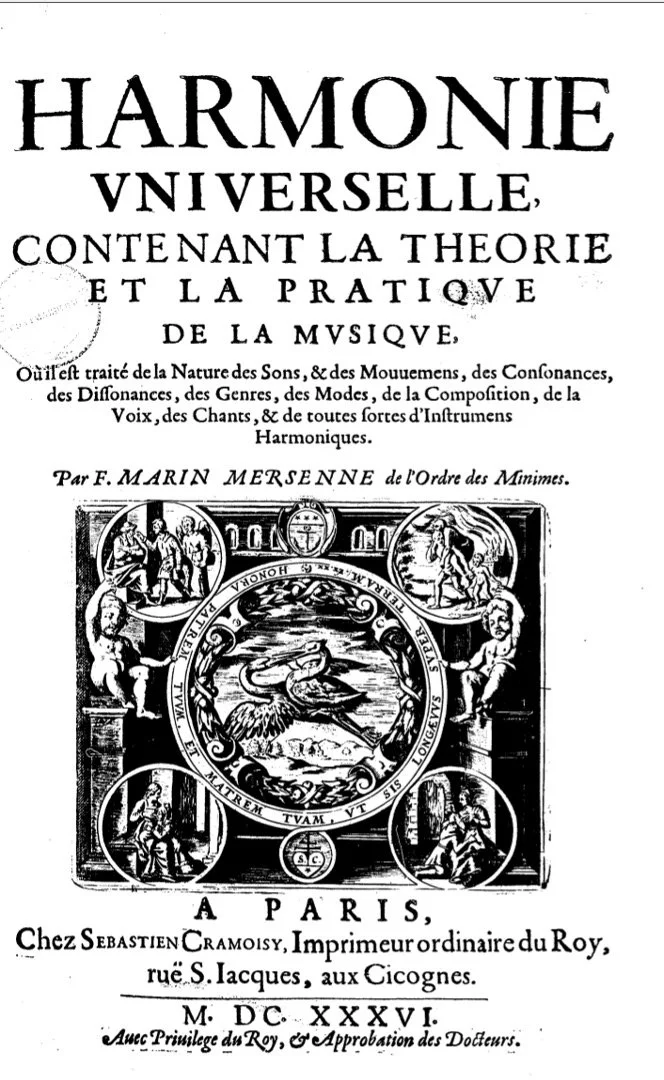
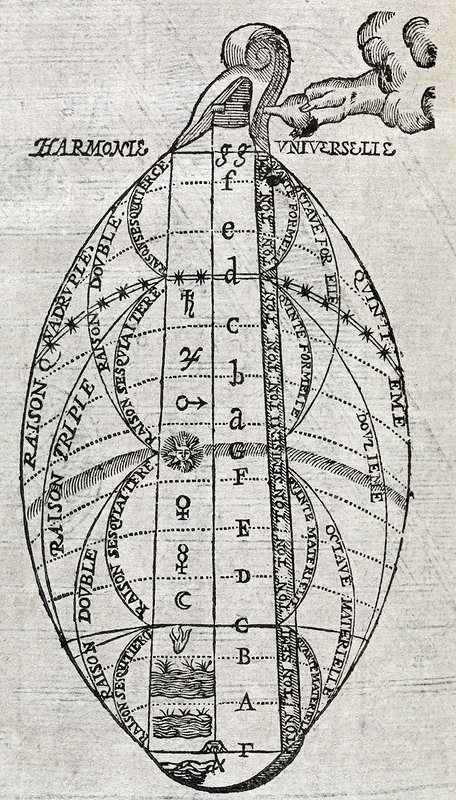
Mersenne - French theologian, natural philosopher, and mathematician and music theorist (on the mathematics of stretched strings within musical instrumentation, provided the basis for modern music acoustics, author of Mersenne’s Laws)
https://gallica.bnf.fr/ark:/12148/bpt6k5471093v
Marin Mersenne (1588 CE - 1648 CE)
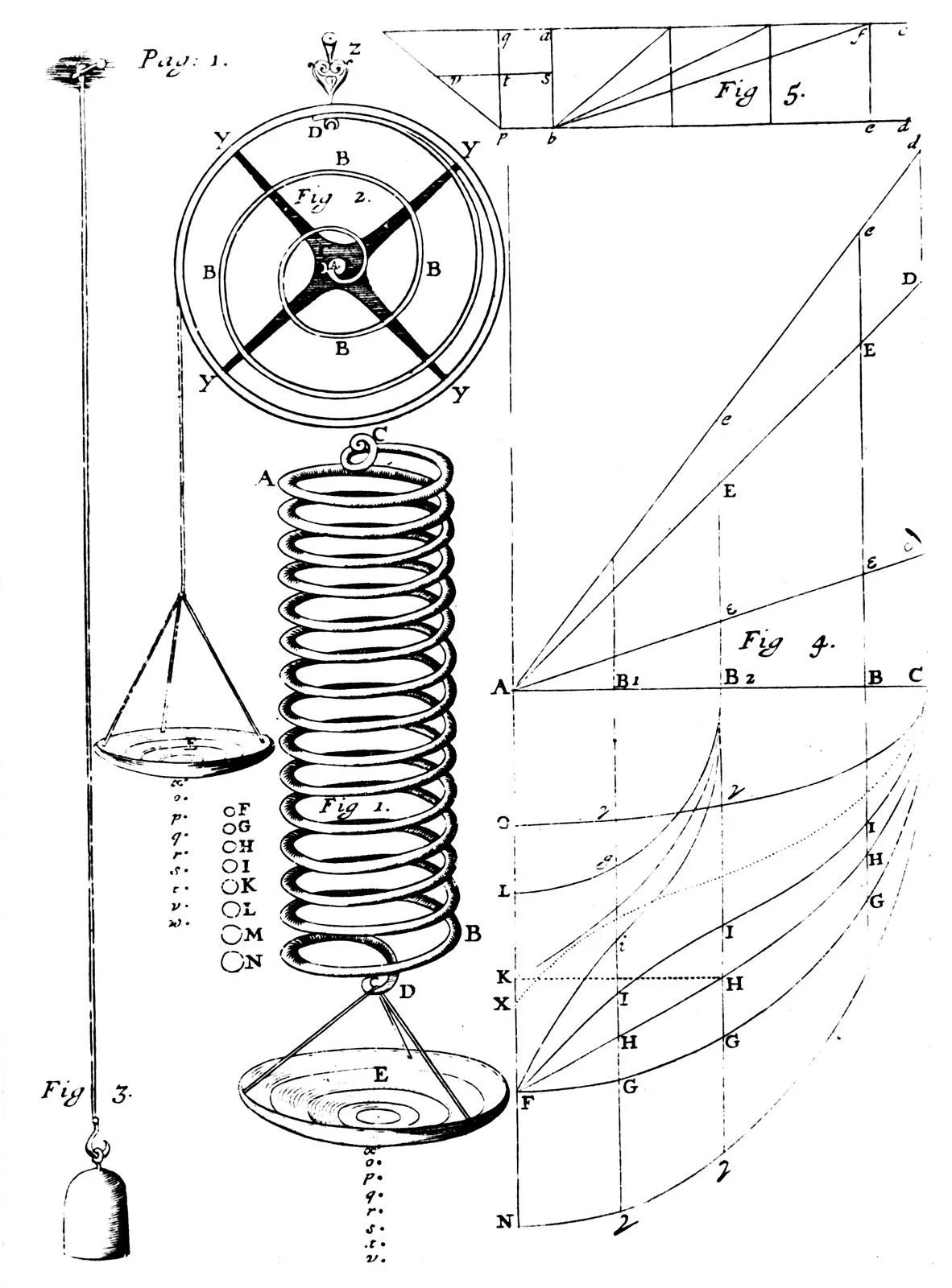
Robert Hooke - English physicist (on his production the first sound wave of a known frequency using a rotating wheel-and-cog device and his pioneering discovery of the Law of Elasticity, a.k.a. “Hooke’s Law”)
Right: Illustration of Hooke's law of elasticity of materials, showing the stretching of a spring in proportion to the applied force, from Robert Hooke's Lectures de Potentia Restitutiva (1678)
Robert Hooke (1635 - 1703 CE)
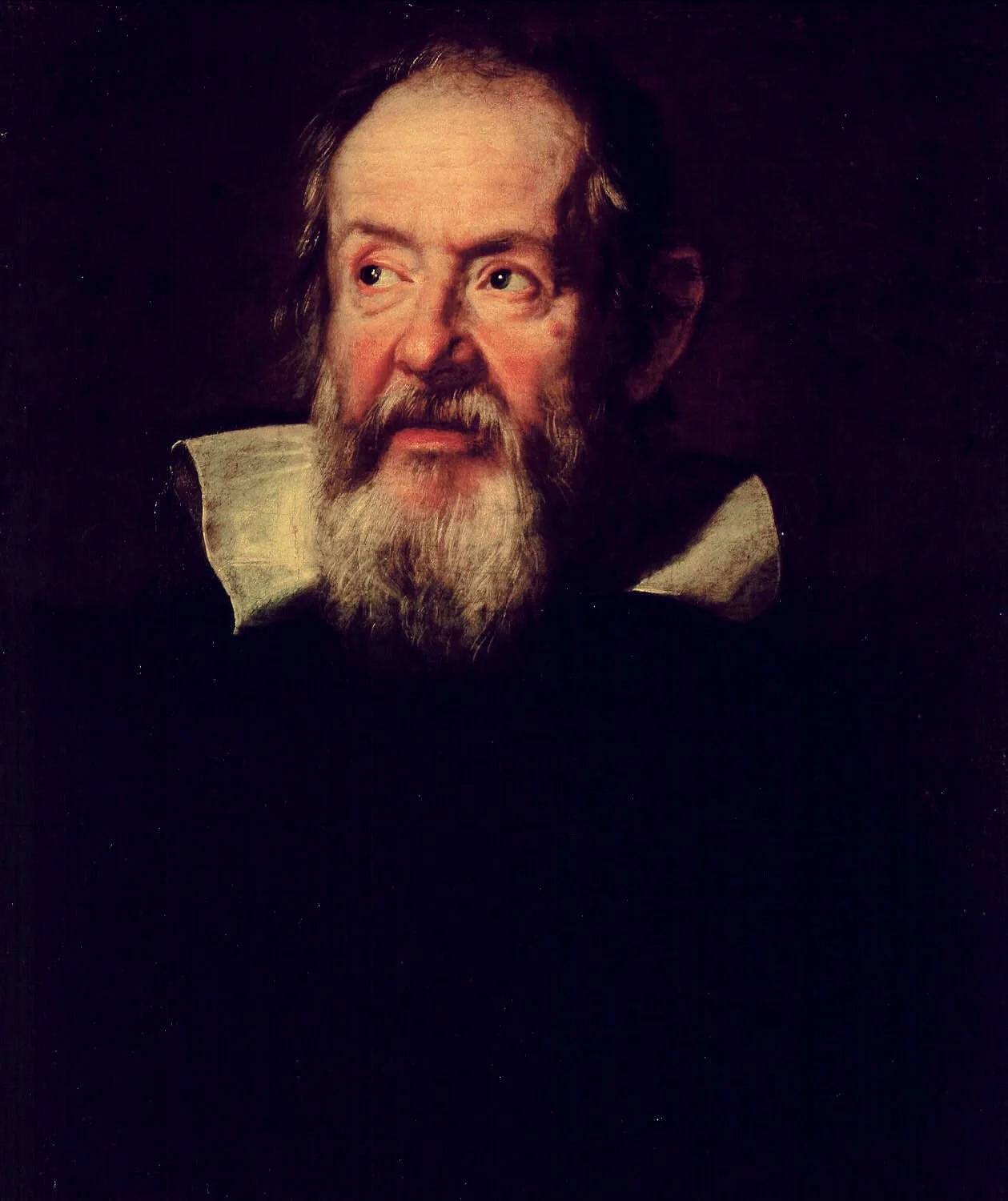
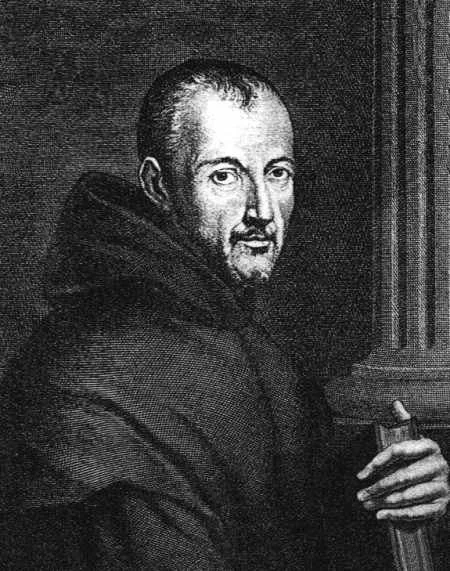
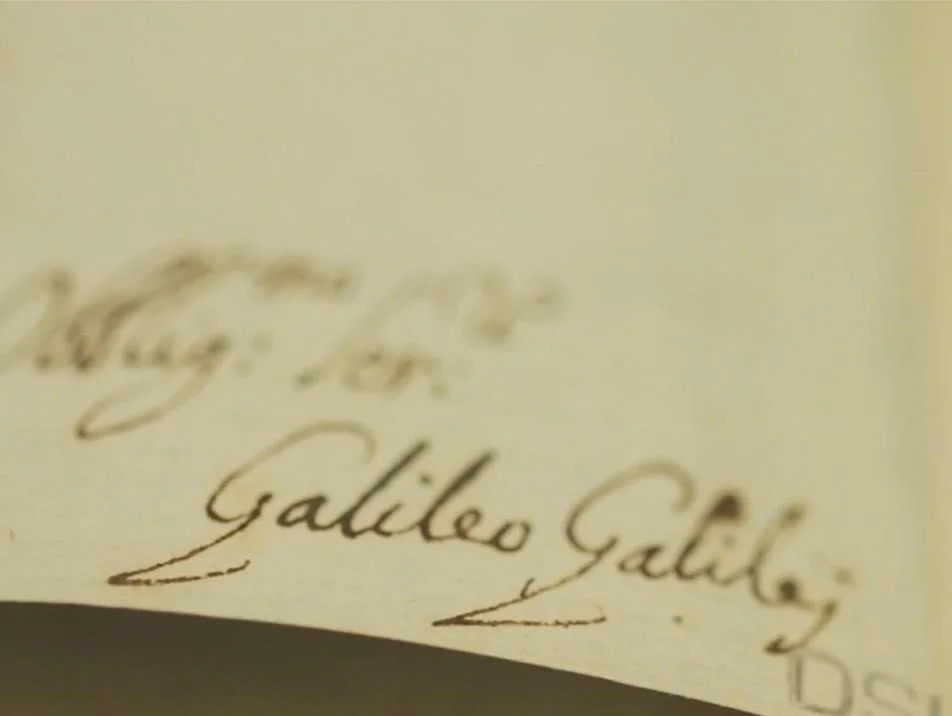
Galileo - Italian philosopher, astronomer, mathematician (on his founding of the modern study of waves and acoustics, making an exact scientific category for the study of vibrations and the correlation between pitch and frequency of the sound source)
Galileo Galilei (1564 CE – 1642 CE)
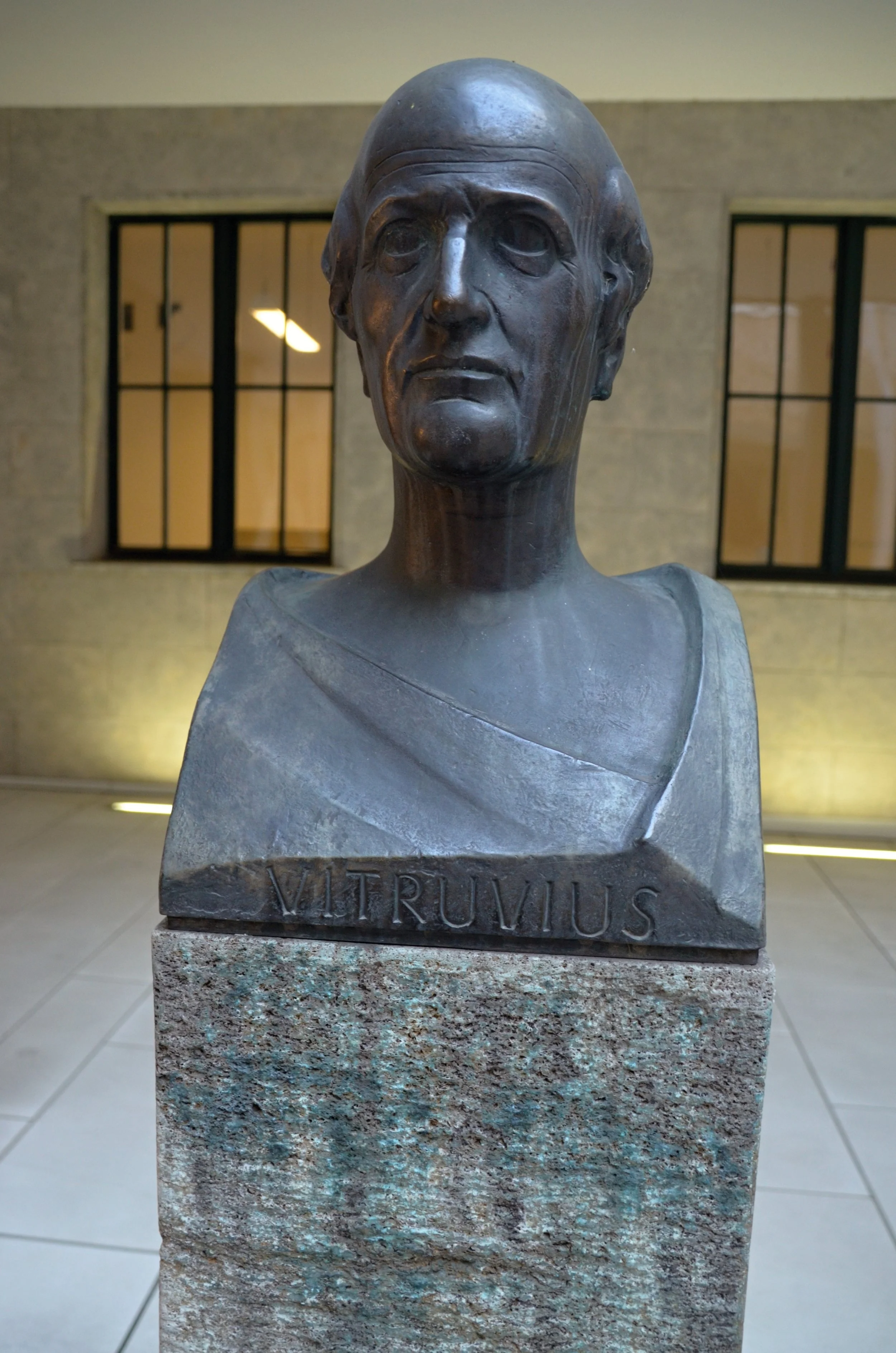
Vitruvius - Roman architect, author, and engineer (on the determination of the correct mechanism for the transmission of sound waves, his contribution to the acoustic design of theatres, interconnected engineering of defensive weaponry and musical tuning): “Ropes are tightened up in the same way by means of hand-spikes and windlasses until they sound the same. In this way, by keeping the device taut with wedges, the catapults are 'tuned' to the proper pitch by musical testing. (De Architectura Bk. 10, Ch. 12.2)”https://www.worldhistory.org/Vitruvius/
Marcus Vitruvius Pollio (circa 90 BCE - circa 20 BCE)
Hans Jenny (1904 CE -1972 CE)
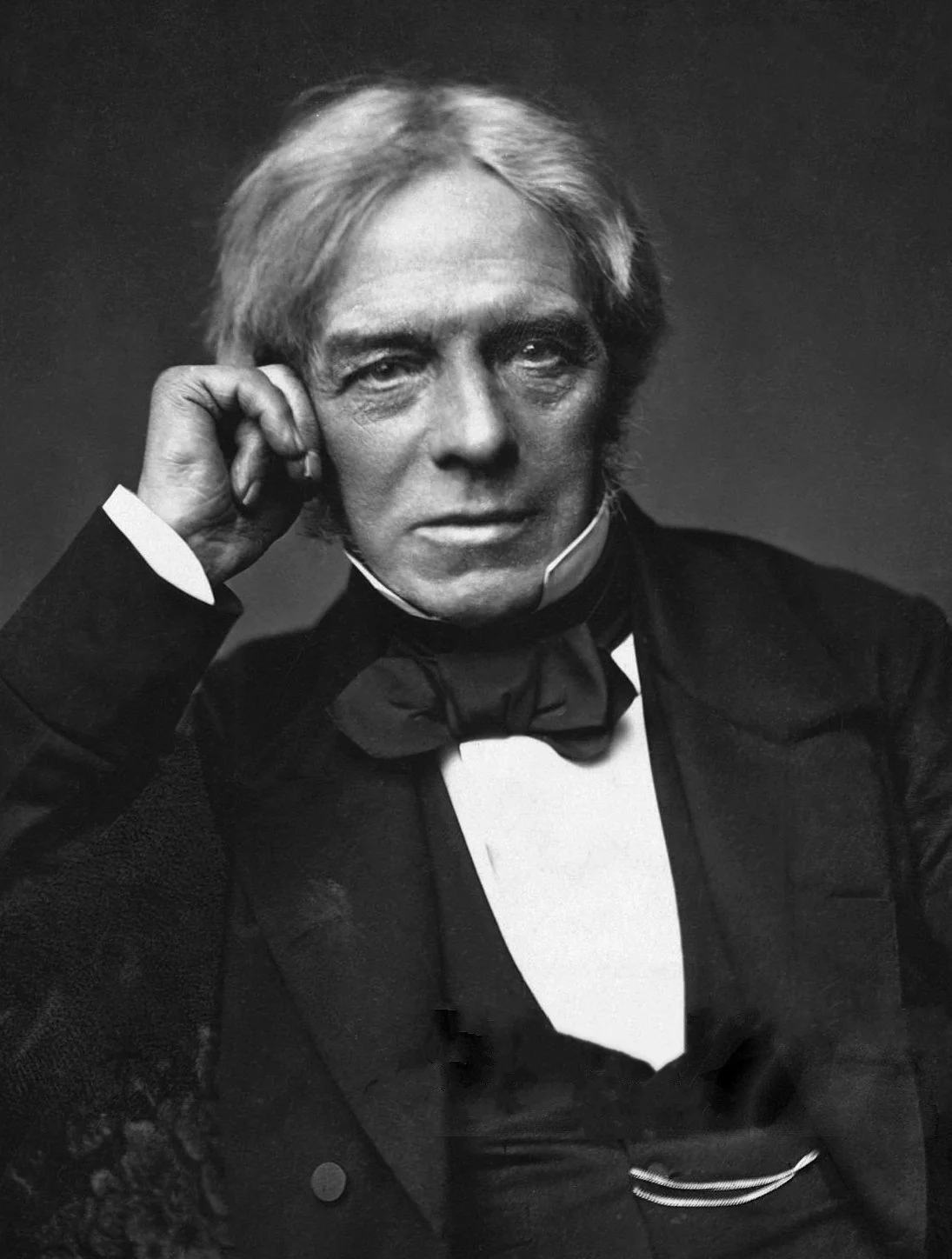
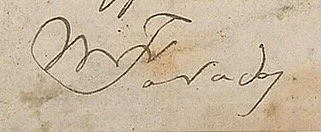
Michael Faraday (1791 CE - 1867 CE)
References for Further Study:
speed of sound: https://www.britannica.com/science/acoustics/Measuring-the-speed-of-sound#ref527567 ; https://www.britannica.com/science/sound-physics/Open-tubes ;
acoustics - various fields: https://www.britannica.com/search?query=acoustics
acoustics - modern advances in the field: https://www.britannica.com/science/acoustics/Modern-advances
acoustics - early experimentation: https://www.britannica.com/science/acoustics/Early-experimentation
musical tuning systems: http://faculty.tamuc.edu/cbertulani/music/lectures/lec16/lec16.pdf
https://nigelstanford.com/cymatics
https://en.wikipedia.org/wiki/Cymatics
http://fab.cba.mit.edu/classes/863.17/Harvard/people/Danielle-Aspitz/week15.html#turntable
https://stanmed.stanford.edu/innovations-helping-harness-sound-acoustics-healing/
Groundbreakers in Modern Experimentation
-
Digital Design Atlas: Spring 2024 Issue, "Inside Reflect's World: A Deep Dive into Cutting-Edge Digital Creations"
Lumo Gallery: On Display Spring 2024
Infrared
2024
Digital Render
-
Digital Design Atlas: Spring 2024 Issue, "Inside Reflect's World: A Deep Dive into Cutting-Edge Digital Creations"
Lumo Gallery: On Display Spring 2024
Ultraviolet
2024
Digital Render
-
Digital Design Atlas: Spring 2024 Issue, "Inside Reflect's World: A Deep Dive into Cutting-Edge Digital Creations"
Lumo Gallery: On Display Spring 2024

Vision
2024
Digital Render
-
Digital Design Atlas: Spring 2024 Issue, "Inside Reflect's World: A Deep Dive into Cutting-Edge Digital Creations"
Lumo Gallery: On Display Spring 2024