
ancient history of cymatics (BC - circa 476 AD)
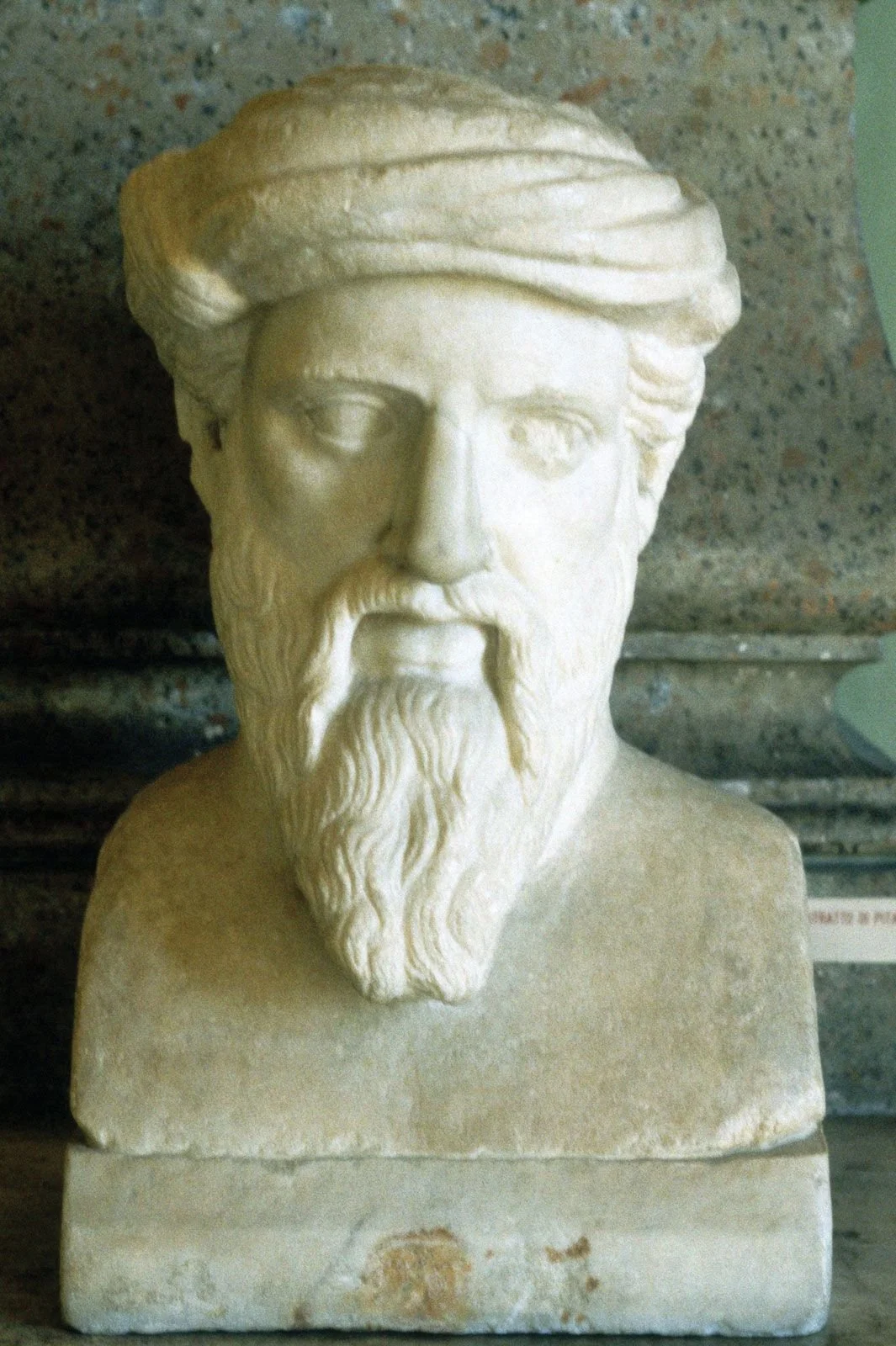
Pythagoras - Greek mathematician, philosopher; generally considered to be the “father of the science of acoustics” (on his establishment of a fundamental connection between numbers, geometry and sound, even of the celestial bodies and the elements, through his experiments on the properties of vibrating strings that produce pleasing musical intervals, which led to a system named after him, “Pythagorean tuning”, stating that the frequency ratios of all intervals are determined by choosing a sequence of fifths which are "pure" or perfect, with a distinct ratio of 3:2, meaning the upper note makes three vibrations in the same amount of time that the lower note makes two - split a string in half, and it will be raised one octave in pitch; the system generates a scale by stacking perfect fifths, a process that is then repeated with octaves (a 2:1 ratio) to keep the pitches within a desired range)
Pythagoras (born c. 570 BCE - died c. 500–490 BCE)
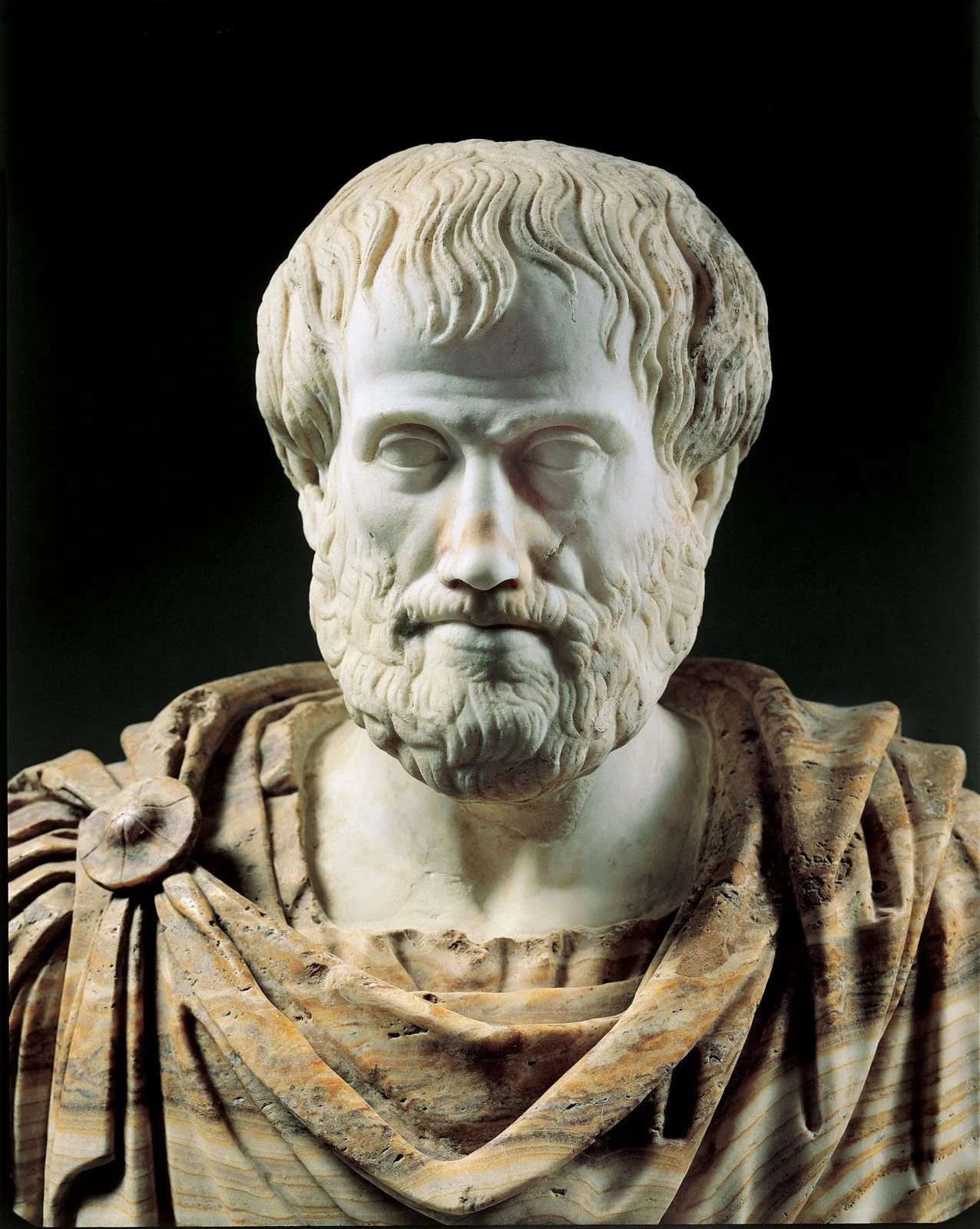
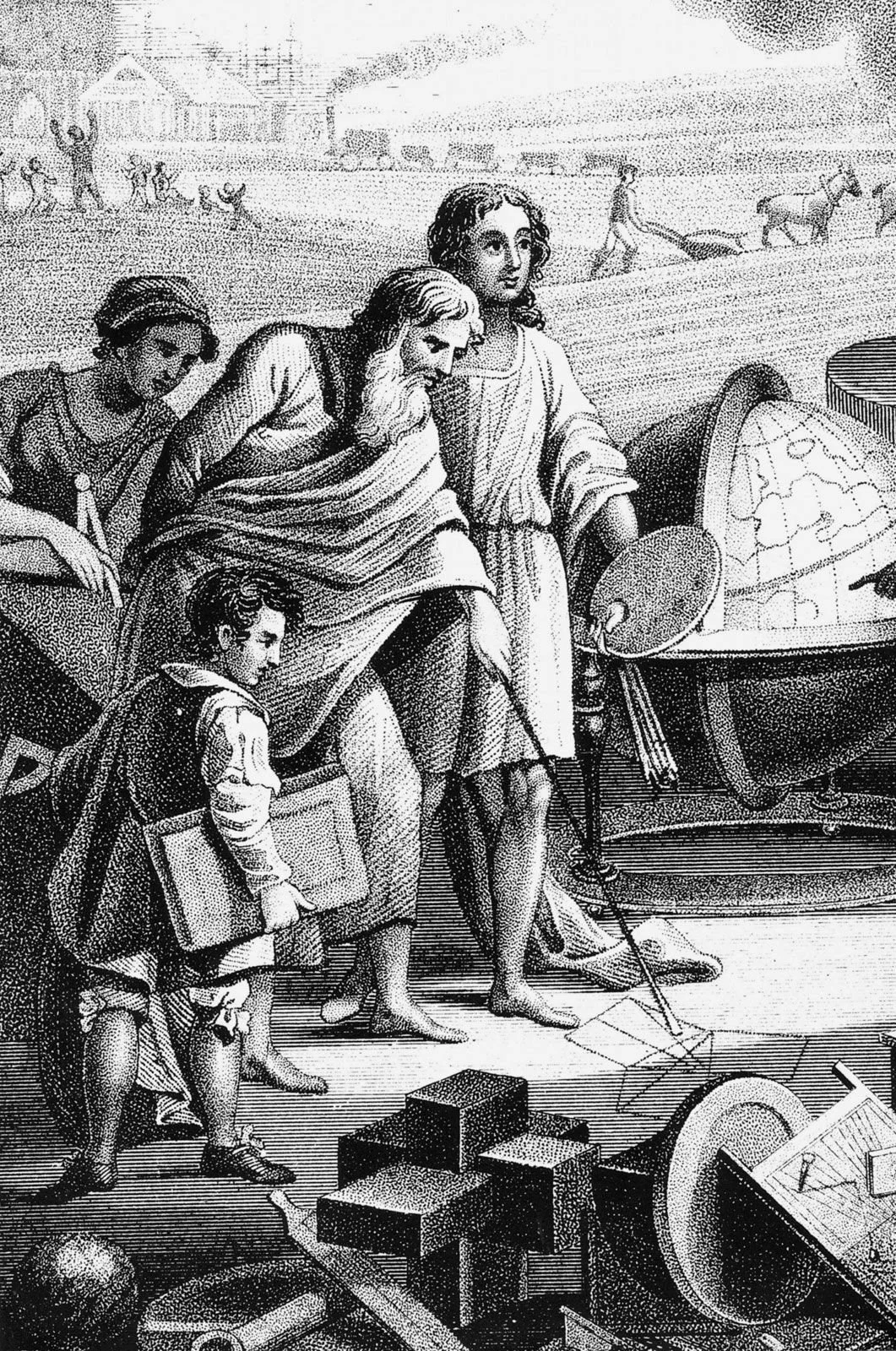
Aristotle - Greek mathematician, philosopher, student of Plato (on his suggestion that a soundwave propagates in air through motion of the air)
Aristotle (384 BCE - 322 BCE)
“Music is the art which by the light of reason studies the harmony of all things that are in motion that is knowable by natural proportions.”
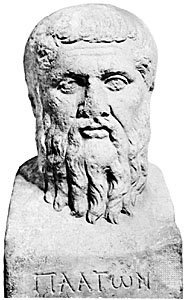
Plato - Greek philosopher; founder of the Academy (the first university), student of Socrates, influenced by Pythagoras (on his viewpoint that music may arouse emotions and influence human character and that music is a science of mathematical forms, introducing the Pythagorean tradition of “musica mundana” a.k.a. “the music/harmony of the spheres”)
Plato (circa 428 BCE - circa 348 BCE)
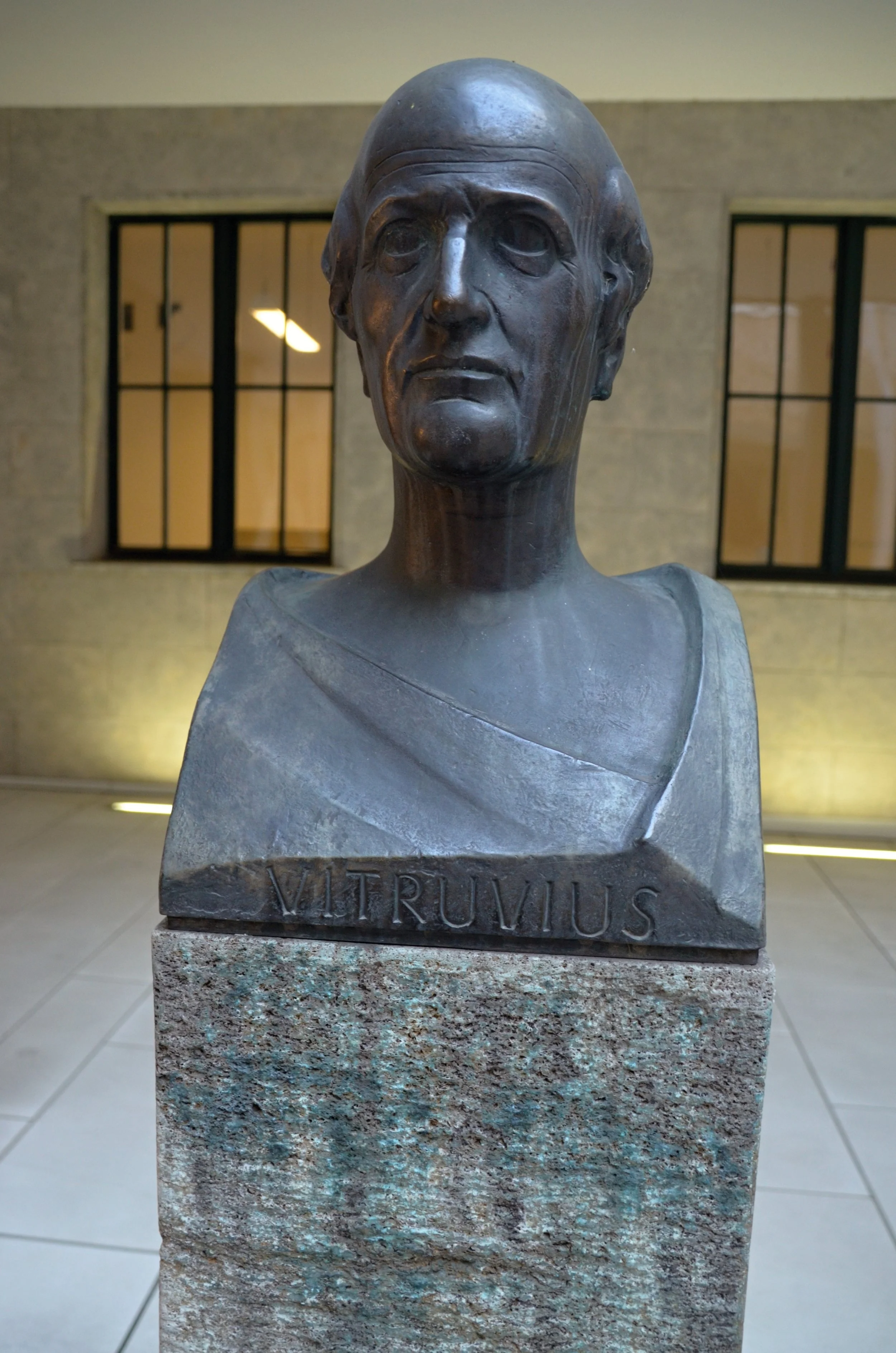
Vitruvius - Roman architect, author, and engineer; military engineer and architect for Julius Caesar (on the determination of the correct mechanism for the transmission of sound waves, his contribution to the acoustic design of theatres, interconnected engineering of defensive weaponry and musical tuning): “Ropes are tightened up in the same way by means of hand-spikes and windlasses until they sound the same. In this way, by keeping the device taut with wedges, the catapults are 'tuned' to the proper pitch by musical testing.” (De Architectura Bk. 10, Ch. 12.2) https://www.worldhistory.org/Vitruvius/
Marcus Vitruvius Pollio (circa 90 BCE - circa 20 BCE)